Light, Sound, and Unforgettable Game Nights

Tonight we dive into dynamic lighting and soundscapes for immersive board game sessions, turning familiar rules and cardboard into living worlds shaped by color, motion, and carefully orchestrated audio. Expect practical setups, creative tricks, and real stories that prove how small cues transform tension, teamwork, and laughter. Share your favorite lighting palettes and soundtrack picks after reading, and let’s build a toolkit that makes every turn feel cinematic without overshadowing the table’s social magic.

Choosing Light Sources and Color Temperatures

Mix warm task lighting around 2700–3000K for legibility with adjustable accent lights reaching cooler 4000–6500K when you want sterile, sci‑fi precision. High CRI bulbs protect component colors and skin tones. LED strips under table edges add soft directional cues without glare. Battery lanterns double as prop-like set pieces. Keep dimming smooth and flicker-free to avoid fatigue when scenes build slowly across hours.

Balancing Brightness for Clarity and Mood

Aim for a readable surface first—no one should lean forward or cast shadows across cards. Then reduce peripheral brightness to carve contrast and depth. Use gentle fades rather than abrupt changes, preserving immersion between turns. Reserve punchy brightness boosts for dramatic reveals and scoring milestones. Create presets labeled for phases—setup, exploration, confrontation, and epilogue—so you can pivot instantly without hunting through sliders mid-session.

Taming Reflections, Reverb, and Noise

A felt mat or neoprene topper cuts glare and dampens dice noise. Rugs, curtains, and bookshelves reduce flutter echoes, lowering reverb times for clearer table talk. Keep the noise floor low so ambient tracks can be subtle, not blaring. Place speakers off reflective glass and away from corners that exaggerate bass. A gentle door draft stopper can mute hallway intrusions that ruin stealthy, late-night strategic whispers.

Smart Bulbs, Strips, and Portable Glow
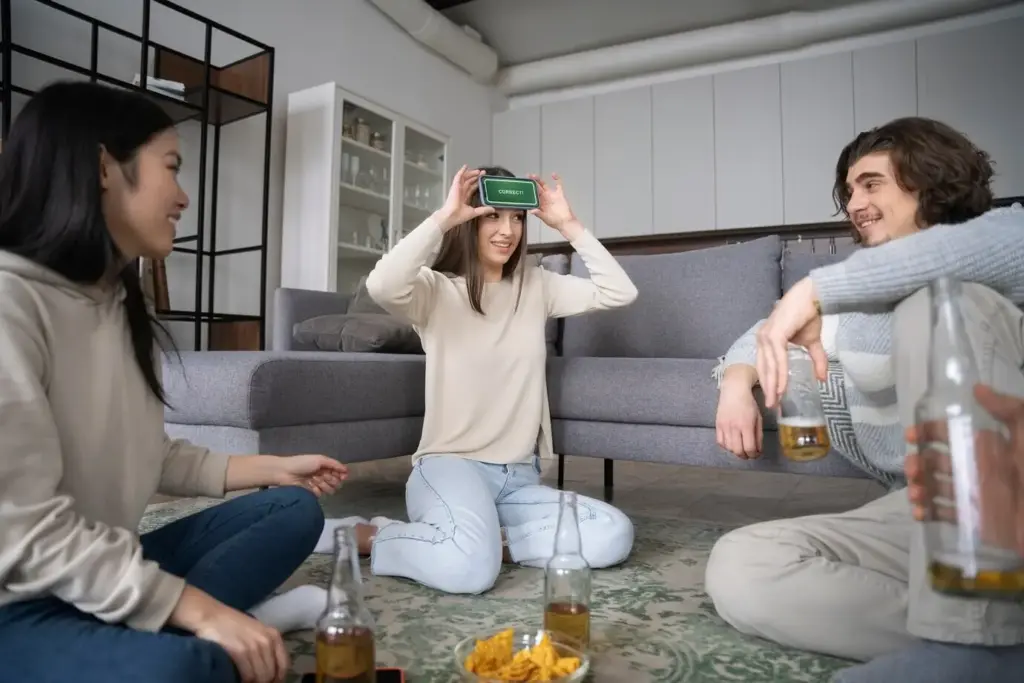
Philips Hue, Nanoleaf, and WLED strips bring reliable dimming, color accuracy, and smooth transitions. Battery cubes or lanterns travel room to room and hide behind terrain or plants. Diffusion makes colors buttery rather than blinding. Consider two short strips instead of one long run for directional effects. Build three daily drivers: neutral read mode, cool suspense mode, and warm celebration mode, then embellish with rare, spectacular accents only when deserved.

Speakers and Spatial Tricks

A compact 2.0 setup can outperform a muddled 2.1 system in small rooms. Aim speakers toward players’ torsos, not table surfaces. Bluetooth convenience is fine, but minimize latency with aptX Low Latency, wired connections, or AirPlay 2 when grouping rooms. Subtle stereo pans can hint at off-board movement. Keep dialogue-like narrations centered, while distant drones or rain hug the edges, creating width that feels present but never distracts.

Control Hubs and Automation

Home Assistant, Node‑RED, or simple mobile shortcuts let you change scenes with one tap. A Stream Deck or MIDI controller can map buttons to light palettes and sound cues. NFC tags on scenario cards trigger matching ambiences. Timer automations reset lights after intermission. Most importantly, design fail-safes: a single “Calm Reset” command that sets neutral light and low-volume ambience when rules debates or snacks knock the evening off rhythm.

Cues for Rolls, Cards, and Reveals

Assign distinct micro-stingers for critical hits, failed saves, and rare card draws. A footswitch under the table or an NFC sticker on the box lid lets the host trigger sounds without breaking eye contact. Pair them with brief light pulses—cool flashes for precision, warm bursts for triumph. Keep them short to preserve novelty. When a boss enters, reserve a unique, longer swell that unmistakably marks escalation.

Scene Changes Through Color and Motif

Use palettes as narrative motifs: desaturated blues for investigation, rusty ambers for peril, verdant greens for safe havens. Repeat them subtly across sessions, teaching players the language without words. Transition through complementary colors to avoid muddy blends, and fade through neutral white when changing mood families. Reinforce with a motif sound—a gentle chime or low drone—that becomes an emotional shorthand for the new phase.

Narrative Textures: Palettes and Ambiences for Different Genres

Not every session should roar. Match your aesthetics to genre and pace. Horror likes restraint and edges. Sci‑fi benefits from surgical coolness and rhythmic motion. Cozy strategy nights prefer warmth and light percussion. Build a color and sound vocabulary that communicates danger, safety, mystery, and victory at a glance. Treat each board as a stage where light implies weather, architecture, or mood, while sound hints at distance and consequence.

Arcane Depths and Candlelit Stone

For fantasy dungeon crawls, flicker low-amber strips like torchlight and keep table task lights steady for reading. Layer distant dripping water, muffled wind, and occasional metallic scrapes. Introduce choral whispers for relic rooms, then drop to silence before initiative. Reward victories with brighter golds and gentle drum flourishes. Avoid constant thunder or chanting; sparseness makes treasures gleam brighter and corridors feel longer than the cardboard can possibly suggest.

Neon Circuits and Starship Hums

Lean into cool blues, violets, and sharp whites for clean laboratories and hangars. For street-level heists, push saturated magentas and cyan bands that sweep like signage. Use engine rumbles, distant traffic, and glitchy textures. A single evolving synth arpeggio signals tactical planning, while filtered radio chatter implies offstage allies. When breaches hit, flash to stark white, then settle into a pulsing blue that keeps the pulse elevated without overwhelming chatter.

Practical Mastery: Fast Setups for Small Spaces and Busy Schedules
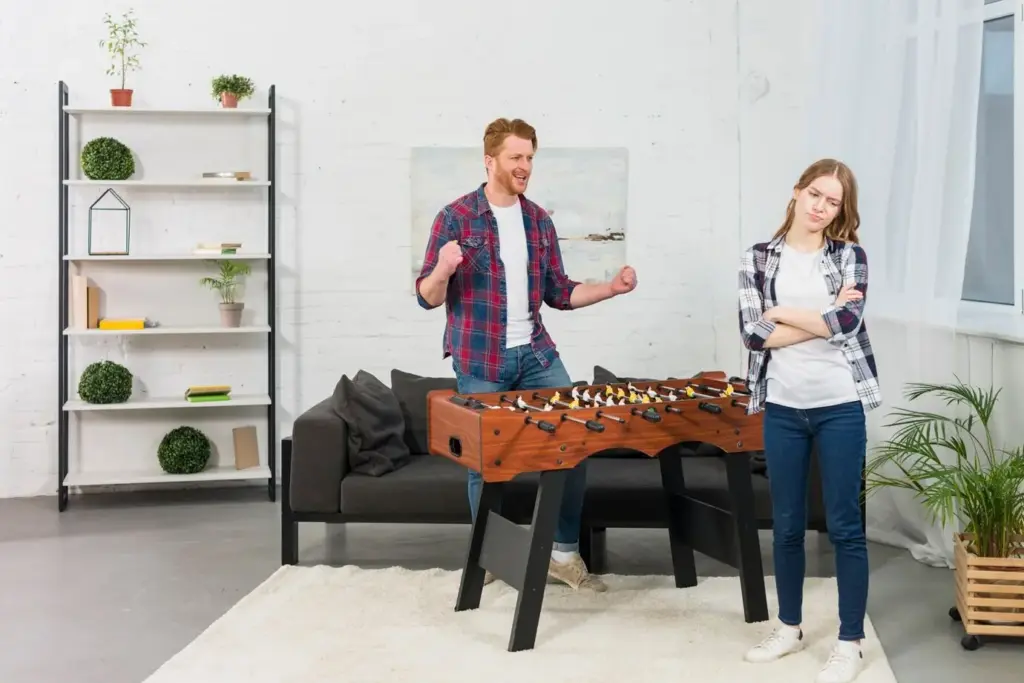
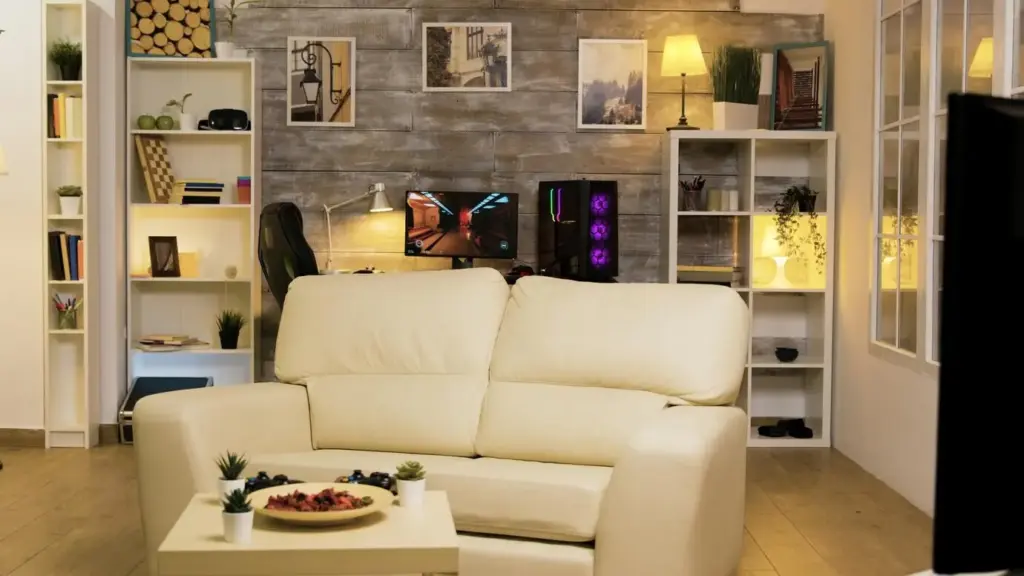
Immersion should not require an hour of prep. Pack a portable kit: two smart bulbs, one LED strip, a compact speaker, and a phone loaded with playlists and scene shortcuts. Label light presets and group them by mood so you can pivot on instinct. Use cable management and battery packs to avoid power-hungry tangles. In tiny apartments, vertical light and nearfield audio create scale without volume, neighbor complaints, or visual clutter.

Comfort, Safety, and Accessibility

Immersion should nurture, not exhaust. Protect eyes with flicker-free dimming and balanced contrast. Guard ears with sensible levels that never drown conversation. Ensure color cues remain readable for color-vision diversity, and provide alternate signals when light or sound is challenging. Offer a calm mode any player can request. When people feel safe and respected, they engage longer, laugh louder, and cheer more honestly, remembering nights as generous rather than relentless.

Stories From the Table: Wins, Missteps, and Lessons

Real tables teach better than manuals. A horror mystery gained weight when a hallway lamp slowly cooled and a low door-creak loop barely surfaced, guiding whispers without forcing fear. A sci‑fi skirmish leapt alive when engine hums shaped pacing between tactical bursts. Missteps also matter: one group learned that constant thunder numbed tension, but strategic silence revived it. Share your experiences so we can refine together, session by session.

Build Your Library: Curating Soundpacks and Lighting Presets

Start small and label clearly. Organize ambient loops by energy, not just genre, and tag lighting presets with both color and purpose. Keep a shortlist of turn-friendly tracks that do not demand attention. Capture your own room tones for authenticity and use licensed or free libraries responsibly. Trade presets with friends and note what repeatedly delights your table. A well-organized library makes creativity instantaneous when moments demand spark.
Varelapovovolutuvu
Privacy Overview

This website uses cookies so that we can provide you with the best user experience possible. Cookie information is stored in your browser and performs functions such as recognising you when you return to our website and helping our team to understand which sections of the website you find most interesting and useful.