Level Up Your Living Room Tonight

Welcome to a playful, practical guide crafted for cozy competitions and unforgettable laughter. Tonight we explore Smart Home Game Night Blueprints, turning everyday devices into a seamless host that syncs lights, sound, screens, and routines. Expect actionable automations, personal stories, troubleshooting wisdom, and engaging ideas you can copy or remix. Share your own victories and clever setups, subscribe for fresh blueprints, and invite friends to weigh in on creative twists. Your living room is about to feel like a stage, scoreboard, and celebration hub in one.

Lighting That Builds Suspense

Dynamic Scenes and Victory Flashes
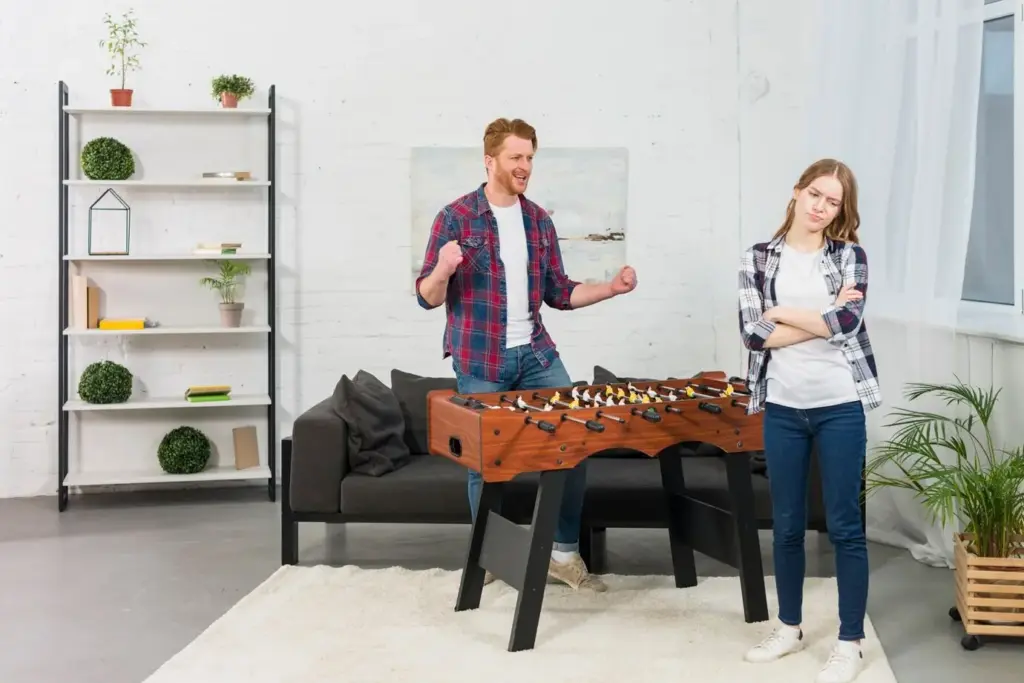
Trigger subtle color shifts when turns change, and unleash brief celebratory flashes for clutch wins. Keep animations short to avoid distraction and maintain readability around the table. Use gradual fades for tension building, and instant pops for decisive moments. Pair scene changes with sound snippets for multi-sensory delight that feels organic. After your first run, fine‑tune brightness levels and durations, then share your favorite combinations so others can recreate your most electrifying finales.

Comfortable Brightness for Marathon Plays
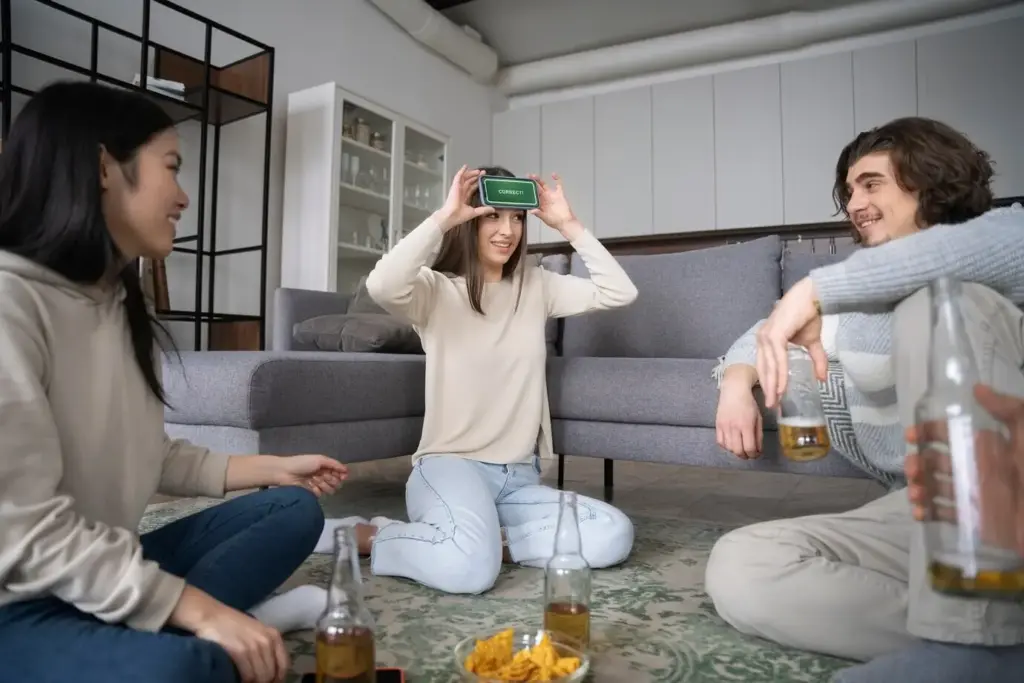
Long sessions demand eye-friendly lighting. Aim for warm, diffuse illumination above the board and cooler accents around the room. Minimize harsh shadows by offsetting fixtures and using lampshades or diffusers. Avoid strobing effects near reflective surfaces and carefully balance task lighting for reading small print. We recommend dimming to around evening levels after the first hour, helping everyone relax while staying focused. If anyone reports eye strain, adjust immediately, document the sweet spot, and help fellow hosts replicate your comfortable setup.

Hands-Free Mood Switching With Voice

Use short, memorable phrases to trigger lighting scenes without dropping cards or moving pawns. Create a pre-start cue that warms the room, a tense-mode cue for endgame battles, and a chill-down cue for post-round recaps. Add brief audible confirmations so players know a scene applied. To avoid misfires, require confirmation for scene-overriding commands. Over time, map routines to the game flow, then invite readers to borrow your phrasing and share their smartest voice cues for high drama with zero effort.

Perfect Sync Across Rooms

If players wander to the kitchen or hallway, keep them in the loop with synchronized audio. Choose platforms that support tight group playback and avoid mixing protocols that drift. Test with a metronome track and adjust speaker placements to reduce echo. Lower bass in smaller rooms to maintain clarity, and use gradual fades during announcements. If network congestion appears, prioritize the audio hub and disable heavy background downloads. Share your minimal-lag recipe so others can savor perfectly timed cues throughout the house.

Cinematic Effects for Dice and Draws

Punch up dramatic moments with short, expressive effects mapped to buttons or quick voice commands. Consider dice-roll rumbles, card-draw whispers, and triumphant stingers for checkmates. Keep effects under two seconds to maintain flow, and normalize volumes to prevent jumps. Stash a compact smart button near the dealer to trigger crowd cheers. Rotate a few sound packs to avoid repetition fatigue. After playtesting, publish your favorite cue list and timing tips, then collect feedback from readers experimenting with new genres and playful sound palettes.

Screens That Keep Score and Guide

TVs and smart displays can be more than background noise—they can clarify rules, track scores, and nudge pacing. We’ll cast clean dashboards, display beautiful brackets, and rotate visual timers that keep intensity fun rather than stressful. An overhead camera can capture the board without feeling intrusive, while privacy-conscious indicators reassure guests. Once, a simple scoreboard overlay resolved a heated tie-break debate in seconds. Adapt these layouts, publish your templates, and ask readers which visual touches kept arguments scarce and camaraderie high.

Big-Screen Scoreboards and Brackets

Use a lightweight web dashboard or spreadsheet to track scores, wins, and streaks, then cast it to the television for shared accountability. Choose high-contrast colors and large fonts for visibility across the room. Add simple animations for lead changes but avoid dizzying effects. Include a history pane to settle disputes. If your Wi‑Fi stumbles, keep a local offline copy ready. After your first tournament night, export your template, note what improved clarity, and post links so others can quickly recreate your elegant scoreboard.

Timers, Rules, and Quick Lookups

Place a smart display within arm’s reach to run sandglass-style timers, show concise rule summaries, and launch common reference pages. Bookmark FAQs for expansions and edge cases. Dim the display between rounds to reduce glare, and switch to warm color modes in the evening. For fairness, enable a quick restart gesture. Train a short voice command that reveals rule clarifications without breaking the mood. Share your curated rule cards, timer presets, and tips for keeping pace firm yet friendly across complex strategy sessions.

Tabletop Cameras Without Awkwardness

Mount an overhead camera to capture the board for remote guests or highlight elaborate plays, but prioritize comfort and consent. Add a visible indicator light when recording, and disable cloud uploads by default. Frame tightly to avoid faces, and set a privacy mask around seating. Keep cables tidy to prevent snags during excited moments. If latency appears, lower resolution instead of frame rate for smoother motion. Offer opt-out rounds. Publish your mounting guide, privacy checklist, and balanced settings that earned everyone’s trust.

One Phrase to Launch the Party

Define a single command that sets everything in motion: warm lights on, soundtrack at conversational volume, scoreboard cast, thermostat nudged slightly, and a welcome message displayed. Include a subtle chime to signal readiness. Build a fail-safe that reports if any device missed the cue, and let a second command retry only the failed steps. Keep the phrasing short and memorable. After testing with friends, publish your routine map and exact timings so others can replicate a smooth, movie-trailer opening for game night.

Intermissions That Run Themselves

Create a mid-session routine that gently brightens task lighting, lowers music, and displays timer options. If the front door opens, queue a friendly kitchen radio station and bring pathway lights to medium. Set a group reminder ten minutes before play resumes. Allow manual overrides for unexpected conversations. When someone starts a snack appliance, pause effects near the table to reduce noise. Share your intermission logic flowchart, highlight what prevented delays, and ask the community how they balance spontaneity with helpful structure during breaks.

Cleanup Sequences That Never Forget

End-of-night routines should protect energy, privacy, and the next morning’s mood. Dim lights gradually, fade music, clear the TV, and confirm windows and doors with a discreet status screen. Power off cameras and set a morning reset that restores normal scenes. Run a “did we forget anything?” lamp pattern near the couch. Notify the host if any device stays unreachable. Keep a physical button as a reliable master off. Share your final checklist and let readers refine it with their clever late-night failsafes.

Reliability You Can Trust Mid-Game
Nothing spoils tension like a frozen scoreboard or out-of-sync music. We’ll emphasize local control where possible, reduce hop counts, and plan for graceful degradation if the internet burps. Favor mesh Wi‑Fi with thoughtful channel planning, hardwire hubs, and avoid stacking multiple bridges unnecessarily. A simple fallback—paper scores and a battery lamp—keeps fun alive during rare outages. Try our resilience checklist, run a rehearsal before big nights, then report back on what steadied your setup when competition got fierce and stakes felt real.

Safety, Privacy, and Comfort by Design

Thoughtful hosting respects boundaries while keeping joy front and center. We’ll outline consent-first camera practices, kid-friendly guardrails, and sensory-aware options so everyone feels at ease. Subtle indicators, clear choices, and predictable transitions reduce anxiety. We found that a simple policy—ask before enabling recording—earned instant trust. Build routines that minimize data retention and place manual cutoffs within reach. Encourage feedback about lighting, sound, and pacing. Publish your house rules, invite readers to remix them, and keep comfort as the guiding victory condition.

Consent Lights and Recording Rules

If cameras or mics are in use, display an unmistakable indicator light and a brief on-screen notice with a one-tap opt-out. Default to off when guests arrive and avoid cloud backups unless explicitly requested. Blur or mask areas beyond the table. Rotate storage keys and set short retention periods. Provide a physical privacy cover for rapid shutdowns. Post your policy where everyone can see it, gather feedback after the night, and evolve procedures so trust grows alongside your playful, well-documented traditions.

Kid Modes and Friendly Boundaries

Create a family setting that locks mature music, limits announcements after bedtime, and caps brightness near eye level. Put delicate components out of reach and pin essential controls to a child-friendly button. Use gentle victory cues and avoid overly intense effects. For shared spaces, schedule auto-dim at late hours and add reminders to tidy small game pieces. Explain rules to younger guests with kindness. Share your kid-mode profiles, hardware placement tips, and small victories that kept drama on the board, not around it.

Sensory-Friendly Adjustments

Not everyone enjoys flashing lights or loud effects. Offer a calm preset with softened colors, steady illumination, and lower, rounder audio profiles. Provide chair options away from speakers and let guests pick visual timers without ticking sounds. Replace aggressive buzzers with warm tones or gentle vibrations. Fade transitions over a longer window to reduce sudden changes. Ask for preferences before starting, honor them during play, and publish your inclusive presets so others can host nights where comfort and competitive spirit coexist beautifully.

Varelapovovolutuvu
Privacy Overview

This website uses cookies so that we can provide you with the best user experience possible. Cookie information is stored in your browser and performs functions such as recognising you when you return to our website and helping our team to understand which sections of the website you find most interesting and useful.